Comprehensive Eye Examinations

Thorough vision and eye health evaluations using advanced diagnostic technology

Protect Your Vision with Regular Eye Exams

At Envision Eye Group in Flushing, Dr. Laiyin Ma provides comprehensive eye examinations that go far beyond simply checking your vision. Our thorough evaluations use state-of-the-art diagnostic technology to assess your overall eye health, detect diseases early, and ensure you maintain optimal vision throughout your life.

Regular comprehensive eye exams are essential for everyone, even if you don't wear glasses or contacts. Many serious eye conditions have no early warning symptoms, making routine examinations your best defense against vision loss.
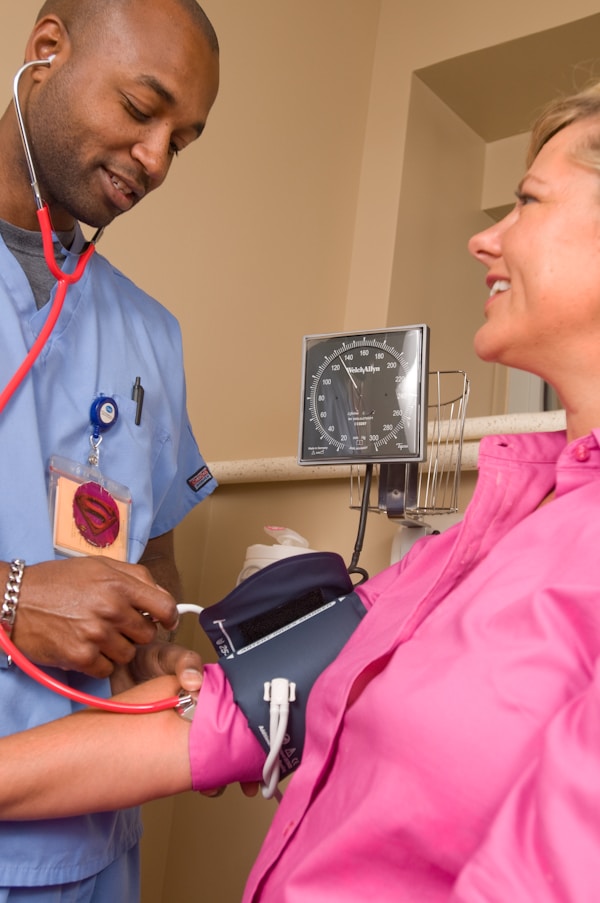
Eye Exam NYC

What is a Comprehensive Eye Exam?

A comprehensive eye examination is a complete evaluation of your vision and eye health performed by an ophthalmologist or optometrist. Unlike a simple vision screening, a comprehensive exam thoroughly evaluates the internal and external structures of your eyes to detect diseases and conditions that could threaten your vision.

Dr. Ma takes the time to understand your visual needs, medical history, and any concerns you may have. Each exam is tailored to your age, risk factors, and individual circumstances.

What to Expect During Your Eye Exam

Our comprehensive eye examinations typically take 45-60 minutes and include multiple tests and evaluations.

Visual Acuity Testing

Measures how clearly you see at various distances using standardized eye charts. This determines if you need corrective lenses or if your current prescription needs updating.

Refraction Assessment

Determines your exact eyeglass or contact lens prescription by testing different lens powers to find the optimal correction for your vision.

Eye Pressure Measurement

Checks intraocular pressure (IOP) to screen for glaucoma. Elevated eye pressure is a major risk factor for this sight-threatening disease.

Slit Lamp Examination

Uses a specialized microscope to examine the front structures of your eye in detail, including the cornea, iris, lens, and anterior chamber.

Dilated Fundus Exam

After dilating your pupils with eye drops, Dr. Ma examines the back of your eye including the retina, optic nerve, and blood vessels to detect diseases like diabetic retinopathy, macular degeneration, and retinal tears.

Retinal Imaging

High-resolution digital photography captures detailed images of your retina, providing a baseline for comparison at future visits and enabling early disease detection.

OCT Scanning

Optical Coherence Tomography creates cross-sectional images of your retina, allowing detection of subtle changes that indicate diseases like glaucoma and macular degeneration.

Corneal Topography

When indicated, this test maps the surface curvature of your cornea, essential for contact lens fitting, LASIK evaluation, and detecting corneal diseases like keratoconus.

Eye Diseases We Screen For

Early detection is key to preserving your vision. Our comprehensive exams can identify:

Cataracts

Clouding of the eye's natural lens that develops with age. Early detection allows us to monitor progression and plan surgery when appropriate.

Glaucoma

A group of diseases that damage the optic nerve, often due to elevated eye pressure. Early treatment can prevent vision loss from this "silent thief of sight."

Macular Degeneration

Age-related deterioration of the macula (central retina) that can cause central vision loss. Early intervention can slow progression.

Diabetic Retinopathy

Diabetes-related damage to retinal blood vessels. Annual screening is essential for all diabetic patients to catch problems before vision loss occurs.

Dry Eye Syndrome

Chronic lack of adequate tear production or poor tear quality. Causes discomfort and can affect vision if left untreated.

Corneal Diseases

Conditions affecting the cornea including keratoconus, dystrophies, and infections. Dr. Ma's cornea specialty ensures expert diagnosis and management.

Retinal Detachment

Separation of the retina from the back of the eye. Early detection of warning signs can prevent vision loss through prompt treatment.

Eye Cancers

Rare but serious conditions including melanoma and lymphoma. Comprehensive exams can detect suspicious lesions requiring further evaluation.

How Often Should You Have an Eye Exam?

The recommended frequency of eye exams depends on your age, risk factors, and overall health.

Children & Teens

  • First exam at 6 months
  • Again at age 3
  • Before starting school
  • Every 1-2 years through school years

Adults 18-60

  • Every 2 years if no risk factors
  • Annually if you wear glasses/contacts
  • More frequently with diabetes or family history of eye disease

Seniors 60+

  • Annual comprehensive exams
  • More frequent if you have eye conditions
  • Risk of age-related diseases increases

High-Risk Patients

  • Diabetics: Annual dilated exams
  • Glaucoma patients: 2-4 times yearly
  • Macular degeneration: Every 3-6 months
  • Post-surgical: As directed by Dr. Ma

Preparing for Your Eye Exam

Before Your Appointment

  • Bring your current glasses and contact lenses
  • List all medications you take (including eye drops)
  • Note any vision problems or concerns
  • Bring sunglasses (your pupils will be dilated)
  • Arrange transportation home if needed
  • Prepare questions for Dr. Ma
  • Bring your insurance card and photo ID

After Your Exam

  • Expect blurred vision for 4-6 hours after dilation
  • Wear sunglasses due to light sensitivity
  • Avoid driving until vision clears (if dilated)
  • Reading and close work may be difficult temporarily
  • Follow any treatment recommendations given
  • Schedule follow-up appointments as directed
  • Contact us with any concerns or questions

Why Choose Envision Eye Group for Your Eye Exam?

Expert Ophthalmologist

Dr. Ma is a board-certified ophthalmologist with fellowship training, providing medical expertise beyond what optometrists can offer.

Advanced Technology

State-of-the-art diagnostic equipment including OCT, digital retinal imaging, and corneal topography for the most accurate assessments.

Comprehensive Care

If eye diseases are detected, Dr. Ma can provide medical and surgical treatment right here in our office - no need for referrals.

Convenient Location

Easily accessible Flushing office serving New York City and surrounding areas with flexible scheduling options.

Insurance & Payment

Comprehensive eye examinations are typically covered by most medical insurance plans, including Medicare. We accept most major insurance providers. Our staff will verify your coverage and explain your benefits before your appointment.

If you don't have vision insurance, we offer competitive self-pay rates. Vision is an investment in your quality of life and overall health.

Schedule Your Comprehensive Eye Exam Today

Protect your vision with a thorough evaluation by Dr. Laiyin Ma